werob
Magazine
Latest insights from the world of robotics.

20 hectares per robot per season: what changes when the machine hoes instead of sprays
On the Kirschgartshausen trial farm the hoeing robot left 26,000 weeds per hectare standing; broadcast spraying controlled 97 to 99 percent. The arithmetic is still not as simple as those two numbers sound — and the Bavarian state institute measured the part the brochure leaves out.

€9.30 per cow per year: what a feed-pushing robot actually changes in the barn
A state research institute priced the robot against the yard tractor and landed on almost the same figure. The difference is not the cost. It is whether the 10 p.m. push happens — and a metal rail nobody had planned for.

The 146 millimetre square your inspection round depends on
Boston Dynamics specifies the printed marker Spot localises against down to the millimetre, and documents what happens when one moves. It is building infrastructure with a tolerance, and it is on nobody's maintenance schedule.
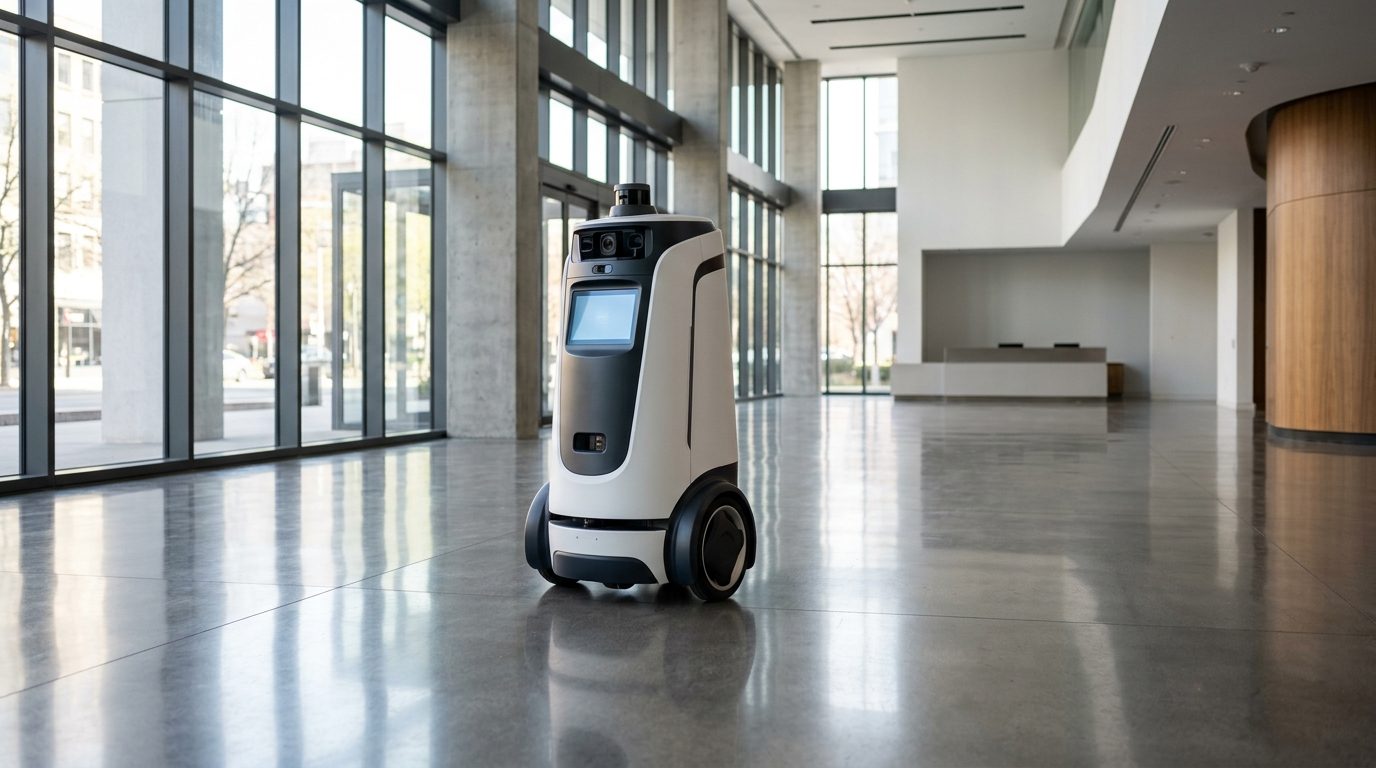
Nobody writes the rules for your robot's software updates
An international standard for software update engineering exists. It was written for road vehicles. For a service robot fleet the questions it would have settled are yours to ask before signature, and the manufacturer's release notes will not answer them.
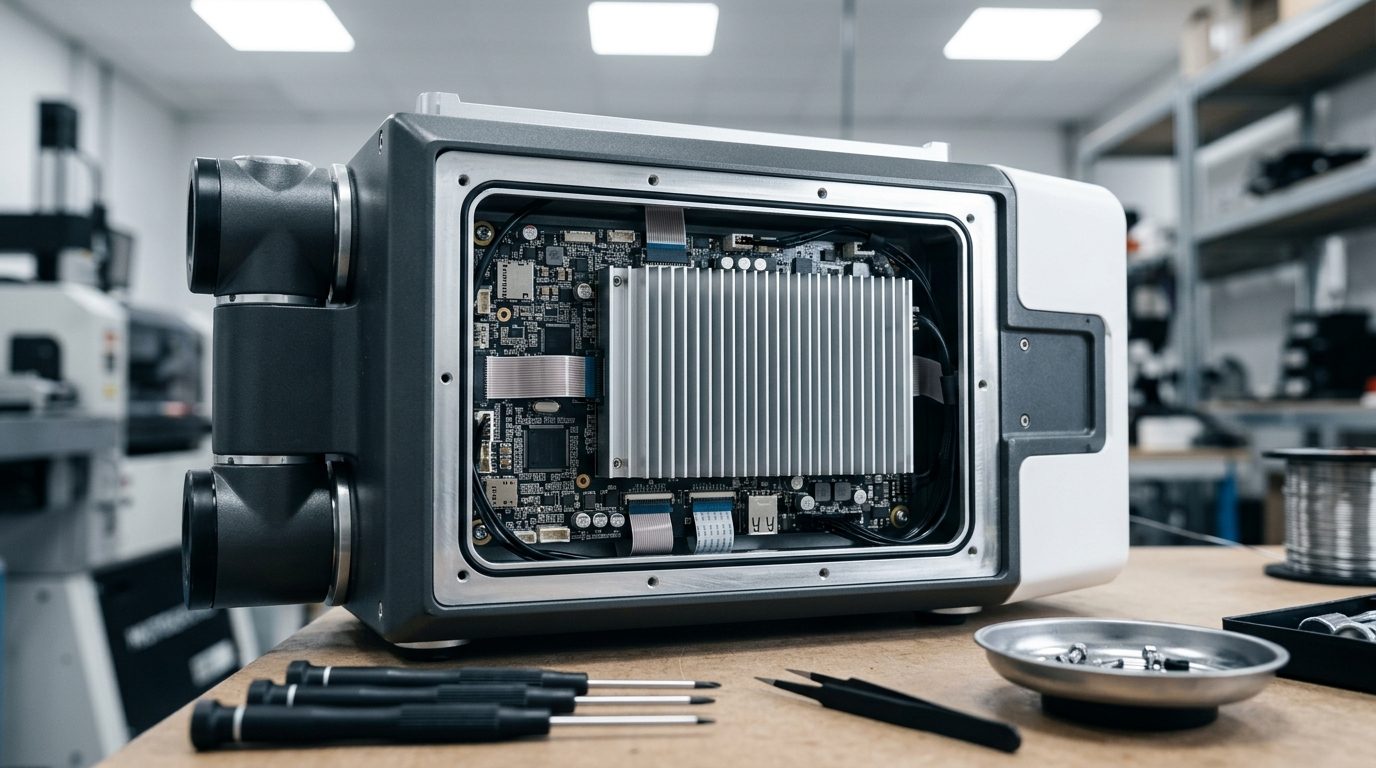
The compute module in your robot has a published end date
NVIDIA publishes an availability date for every Jetson module. Boston Dynamics publishes which one sits inside the Spot CORE I/O. Nobody publishes what happens when a five-year contract runs past the second date.
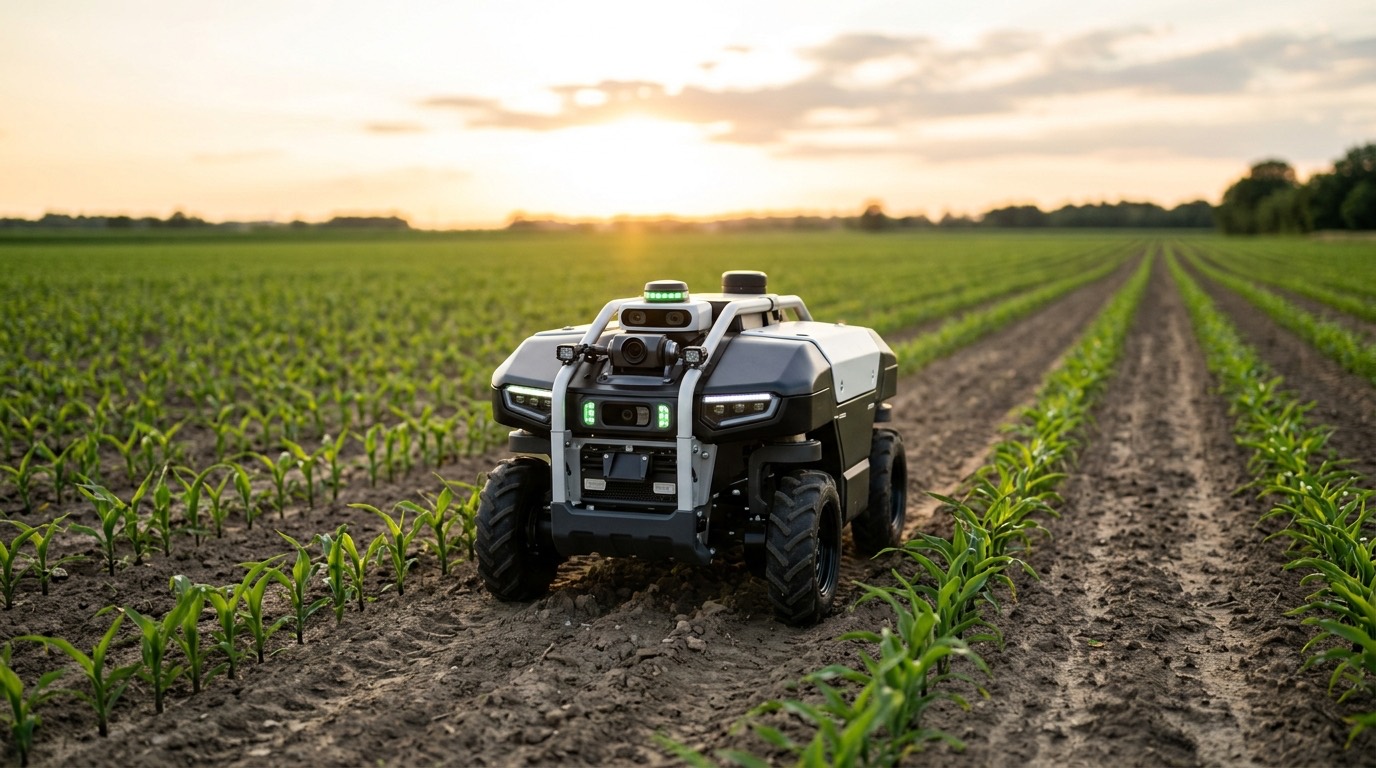
Tractor or machinery: the 6 km/h that decides a field robot's approval route
Two autonomous machines can work side by side in the same field and sit under two different European legal acts. Which one applies is settled by a definition in the tractor regulation — and the number inside it is rarely in the brochure.
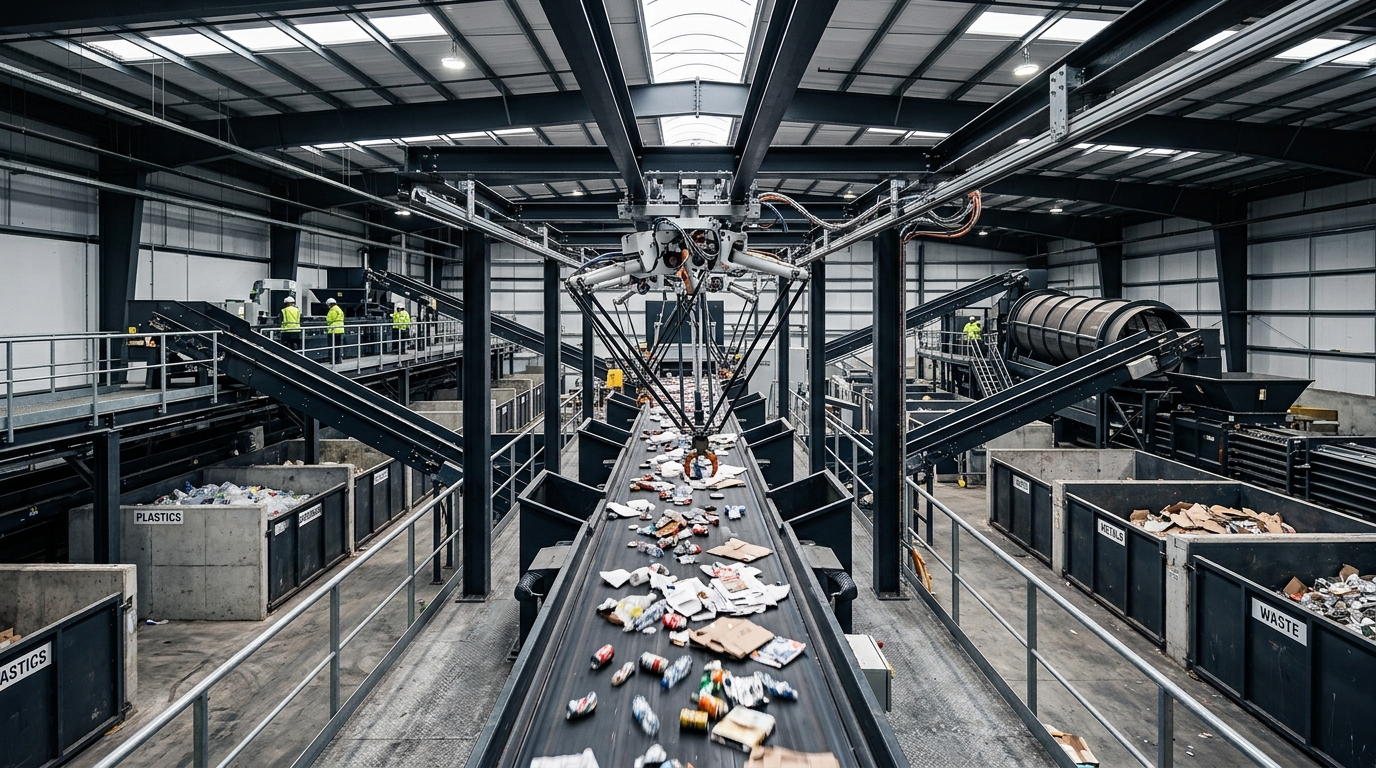
85 percent, documented monthly: which machine actually moves the sorting quota
The sorting quota and the recycling quota have different denominators. Miss that and you buy a picking arm that lifts one number while diluting the other — and the ordinance's annex also says which components an integrator does not supply.
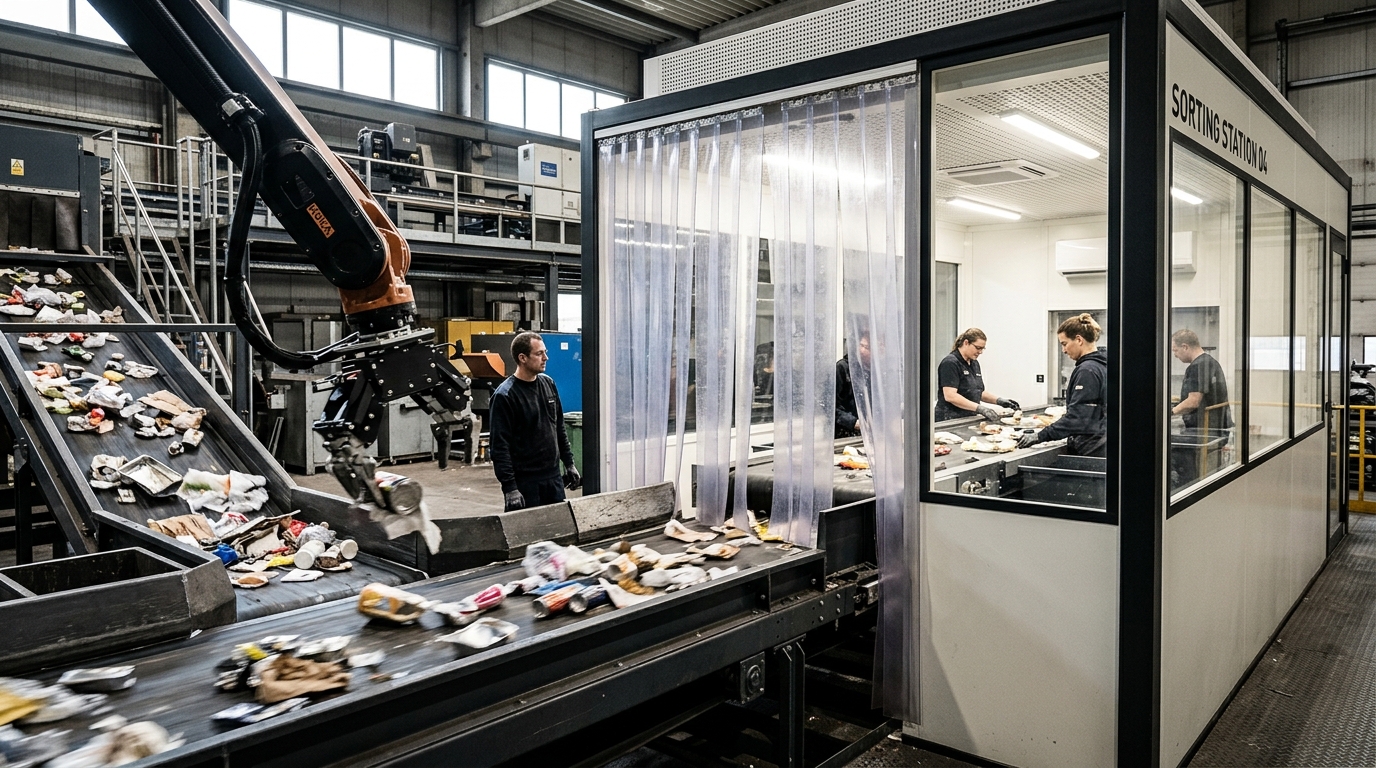
TRBA 214: what a sorting cabin requires before a picking arm is priced
Most rule sets describe the conditions under which a machine is permitted. TRBA 214 describes an activity that is meant to shrink — and section 4.6 puts a figure on the workstation an operator keeps.

The Product Liability Directive: what an integrator owns after 9 December 2026
Conformity asks whether the machine may be placed on the market. Directive (EU) 2024/2853 asks a different question — who pays when someone is hurt — and for an integrator the answer turns on one word in Article 8(2).
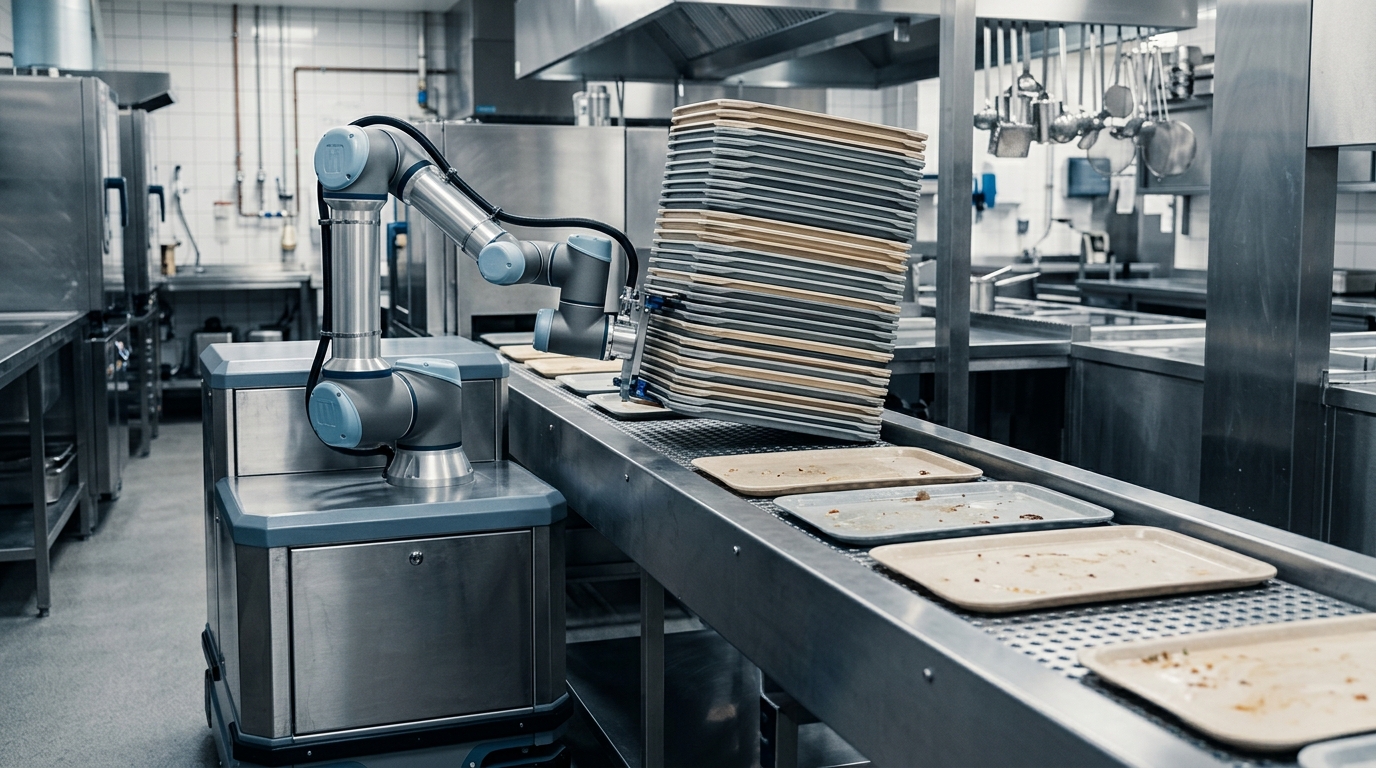
Dishroom First: Why Warewashing Leads Kitchen Automation
Discover why dishroom automation leads commercial kitchen robotics and how steam, IP washdown ratings, and tray-return logistics shape the specification.
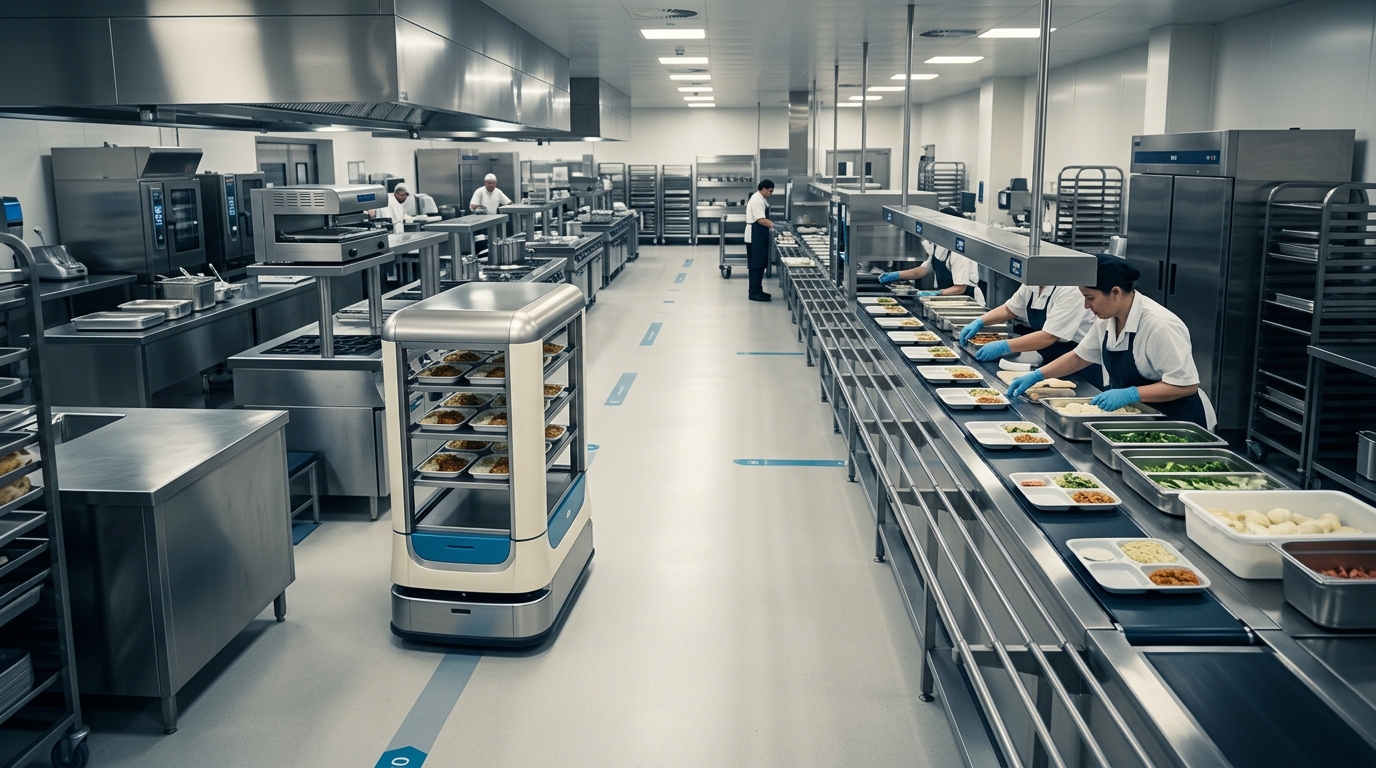
Institutional catering automation: what works and what fails
Discover which institutional catering stations benefit most from automation, from belt portioning to AMRs, and learn when variable menus make robotics fail.
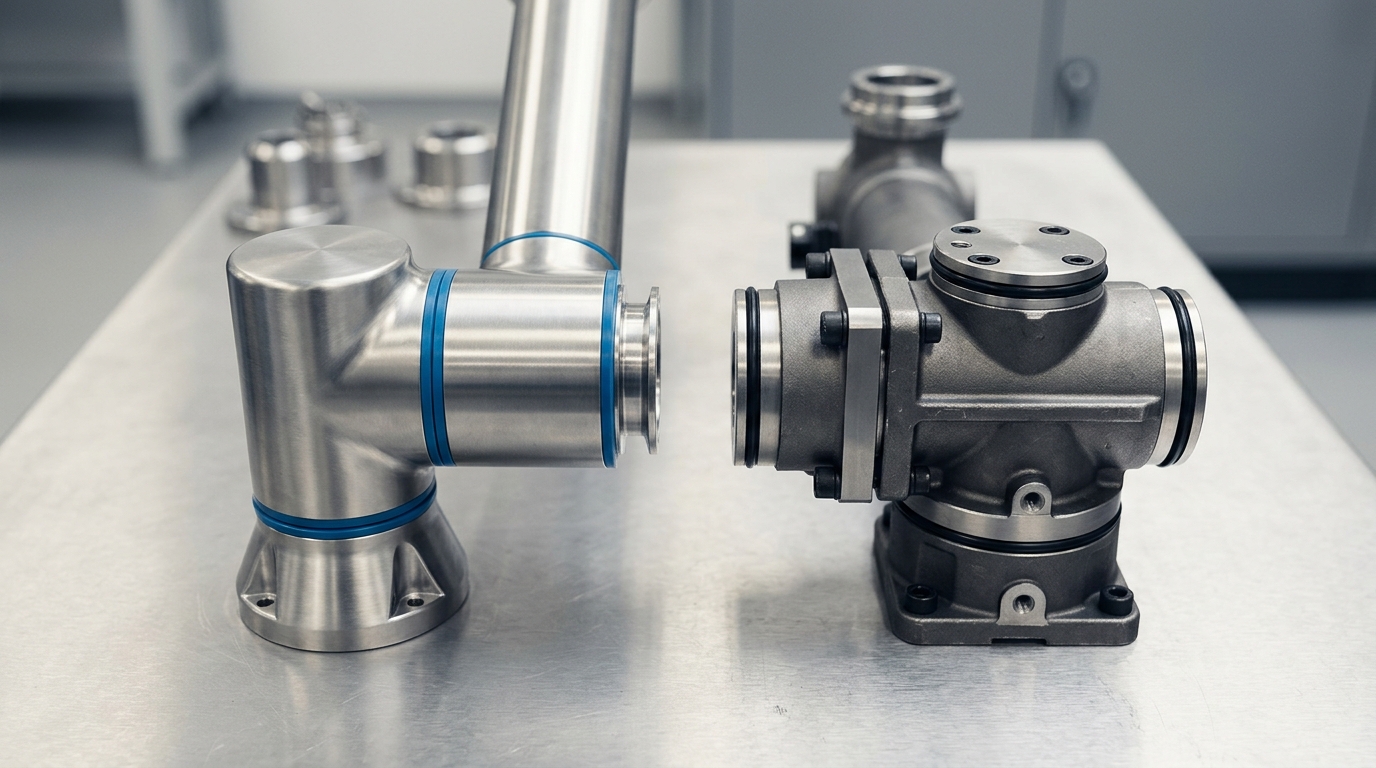
Food contact compliant robot: commercial kitchen filters
Discover how a food contact compliant robot cuts the commercial kitchen shortlist through materials law, IP69K washdown ratings, and hygienic design.
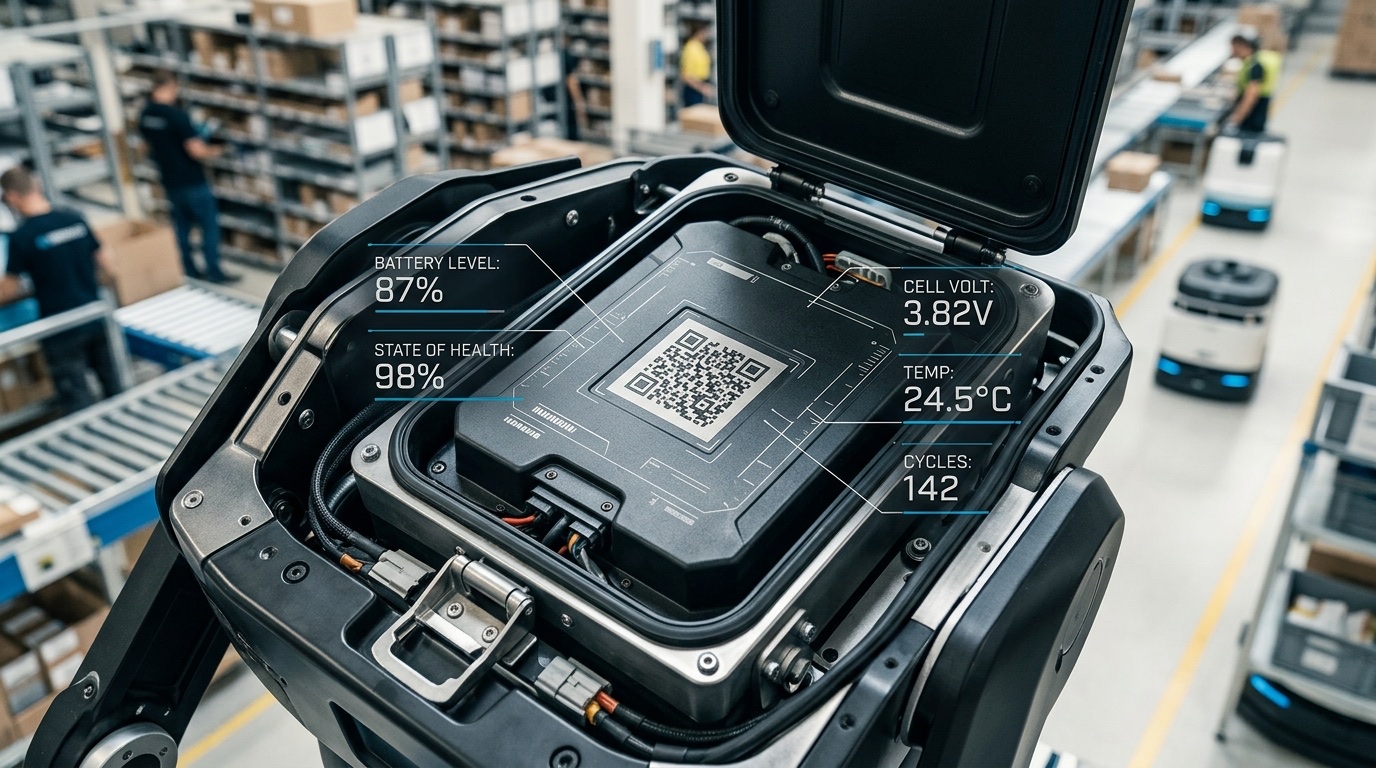
The Battery Regulation: what actually applies to a robot fleet's packs
The worry is that every robot battery will need a passport and have to come out tool-free. Two numbers on the nameplate decide both — and for the mid-sized commercial pack the answer is not the expected one.

IEC 63327: which standard an autonomous cleaning machine is actually built to
Specifications for autonomous scrubbers almost always cite ISO 3691-4. That is the standard for driverless industrial trucks. The floor treatment machine has had one of its own since 2021 — and it rarely appears in the enquiry.
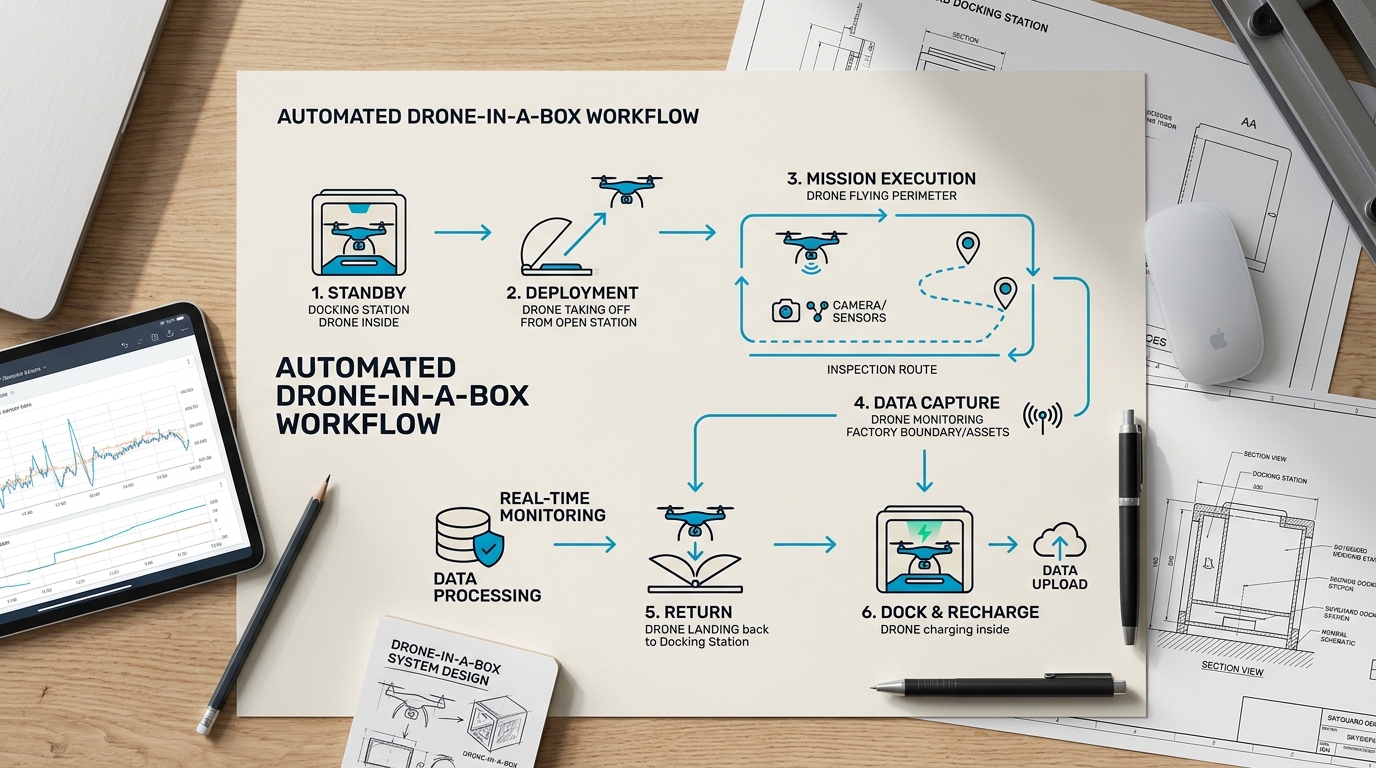
Drone-in-a-box: what one dock actually covers in a day
The box launches in 45 seconds. That number is real and it is also the least useful one in the brochure, because a dock flies one aircraft at a time and then has to charge it. What decides whether the installation earns its place is the cycle, not the launch.
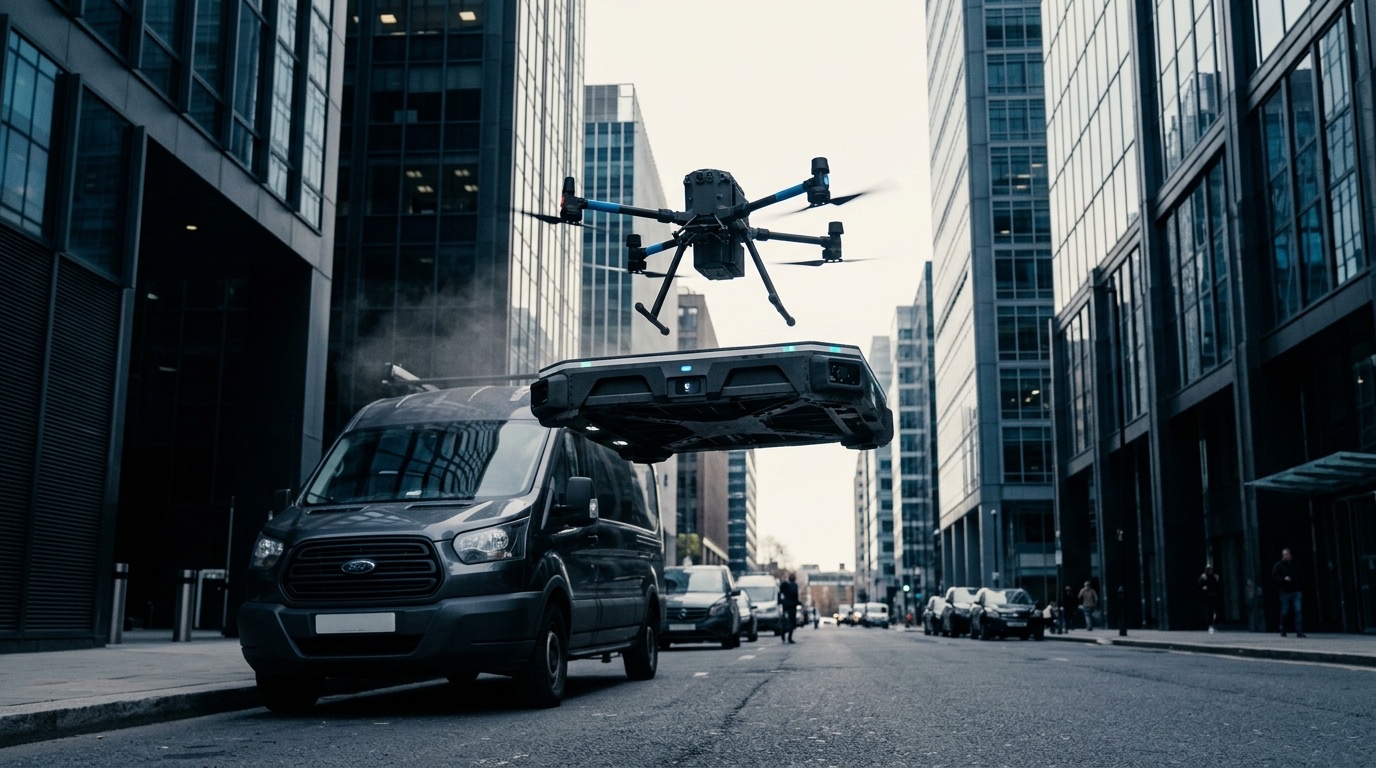
Launching drones from a vehicle: line of sight, the operating site, and the containment that travels
The fixed box on the fence is well understood. The other case is the crew that arrives in a van, stays two hours and drives on. For them there is no hangar, no fixed operating site, and no containment that stays put.
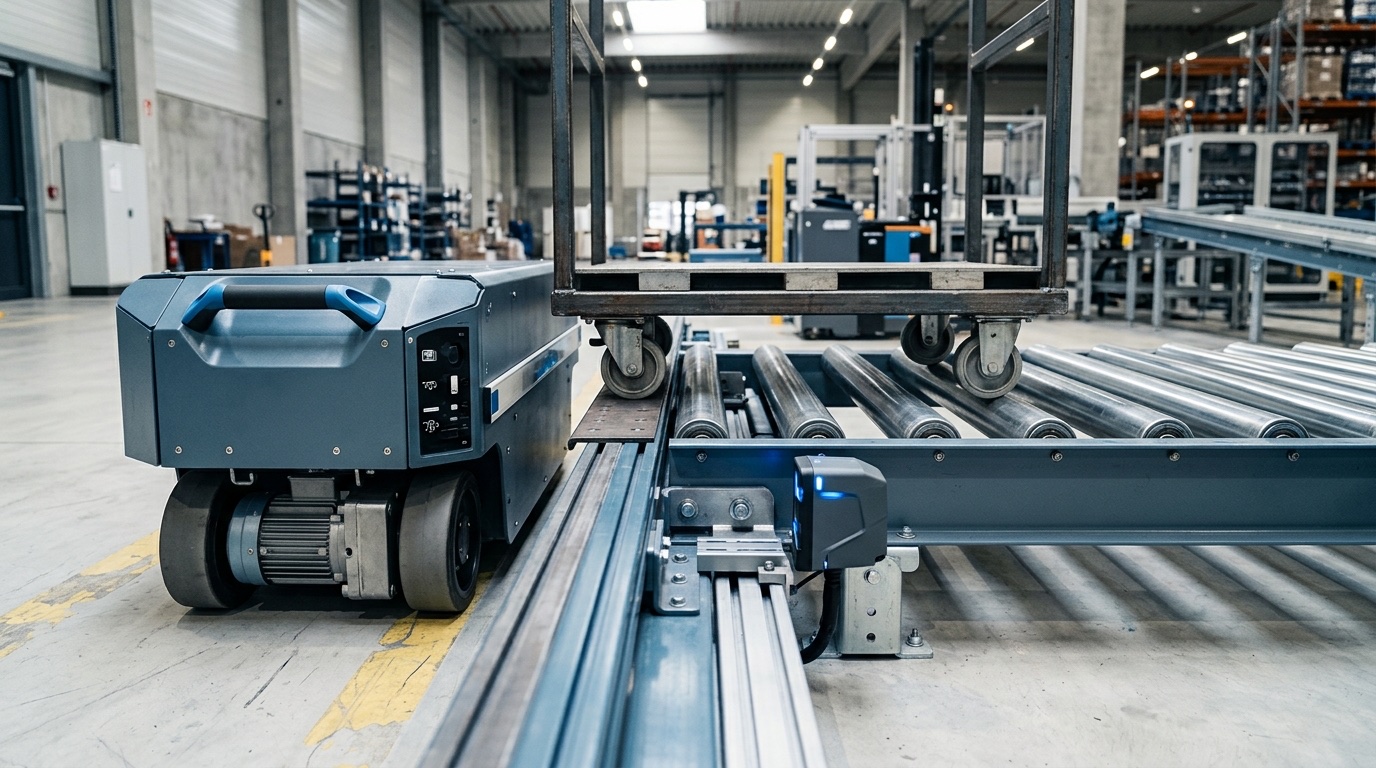
Load transfer: the thirty centimetres where transport robot projects actually fail
The route is the easy part. The robot drives, and has done reliably for years. What almost never appears in a specification is the moment the load comes onto it and off again — and that is exactly where the schedule stops.
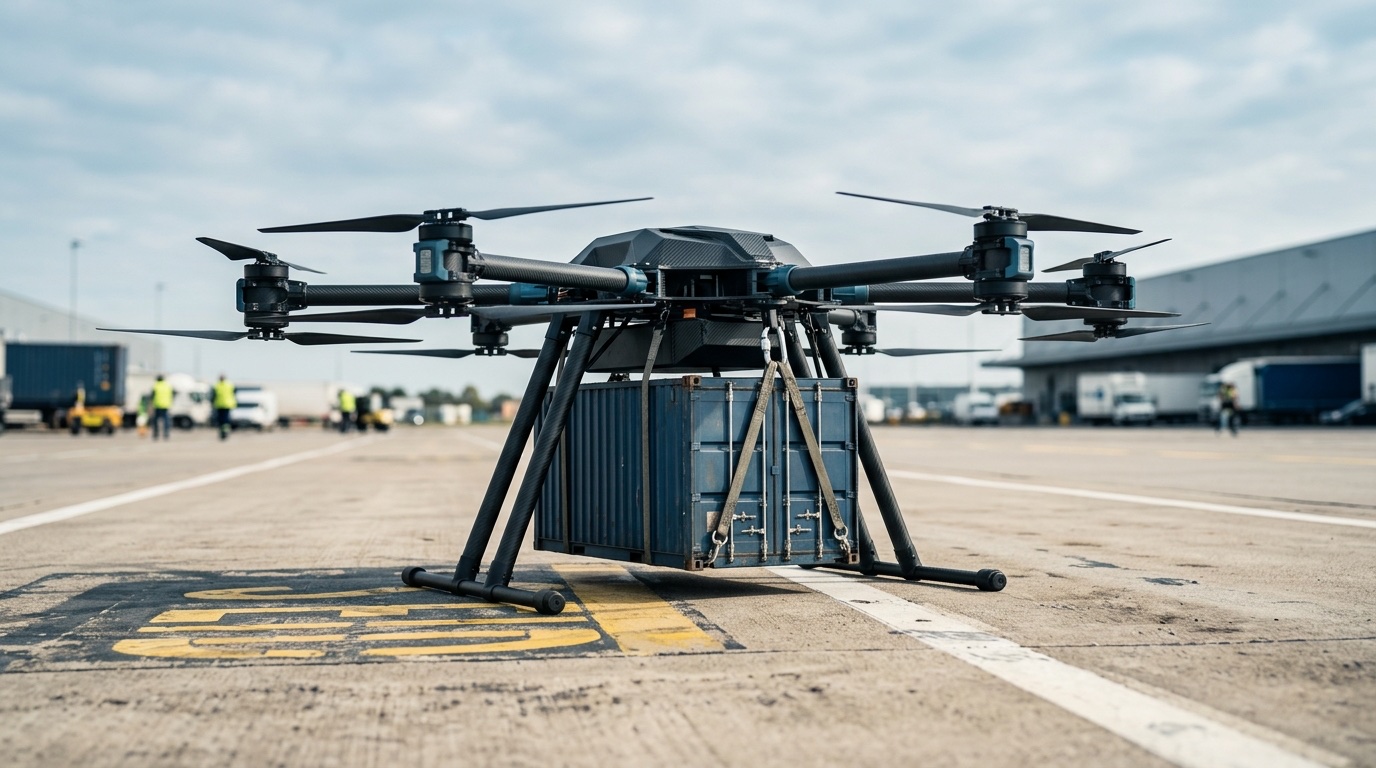
Cargo drones: which payload class is actually approvable in Europe today
The cargo drone conversation is about aircraft. It is settled by a number that sits in the regulation rather than the spec sheet: 25 kilograms of take-off mass. That is exactly where the whole class-mark system ends, and both standard scenarios end with it.
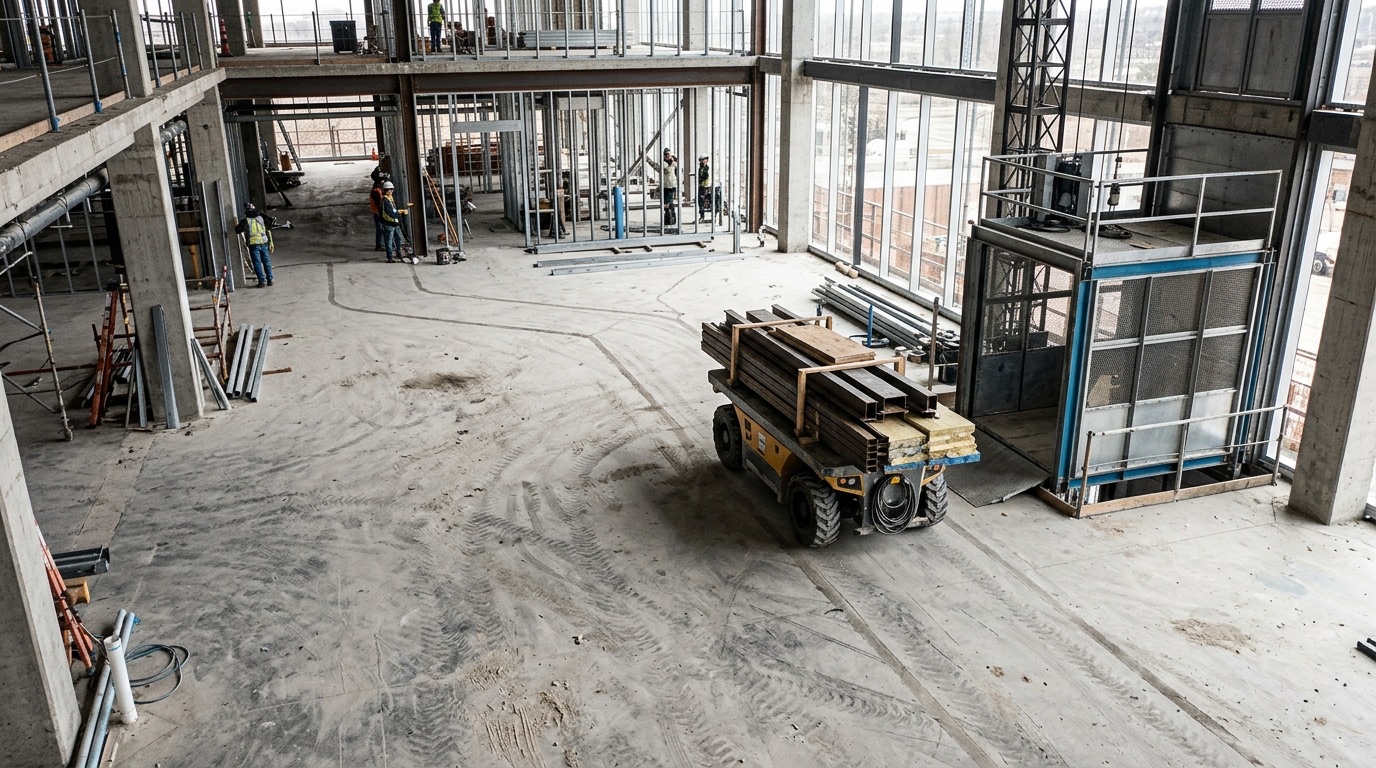
Crane Time Is the Scarcest Resource: Which Construction Robots Need No Pick
The crane sets the tempo of the site, and it is not going autonomous in this planning cycle. So the useful question is not which robot lifts, but which one works without booking crane time — and which one competes for the hook or the airspace anyway.
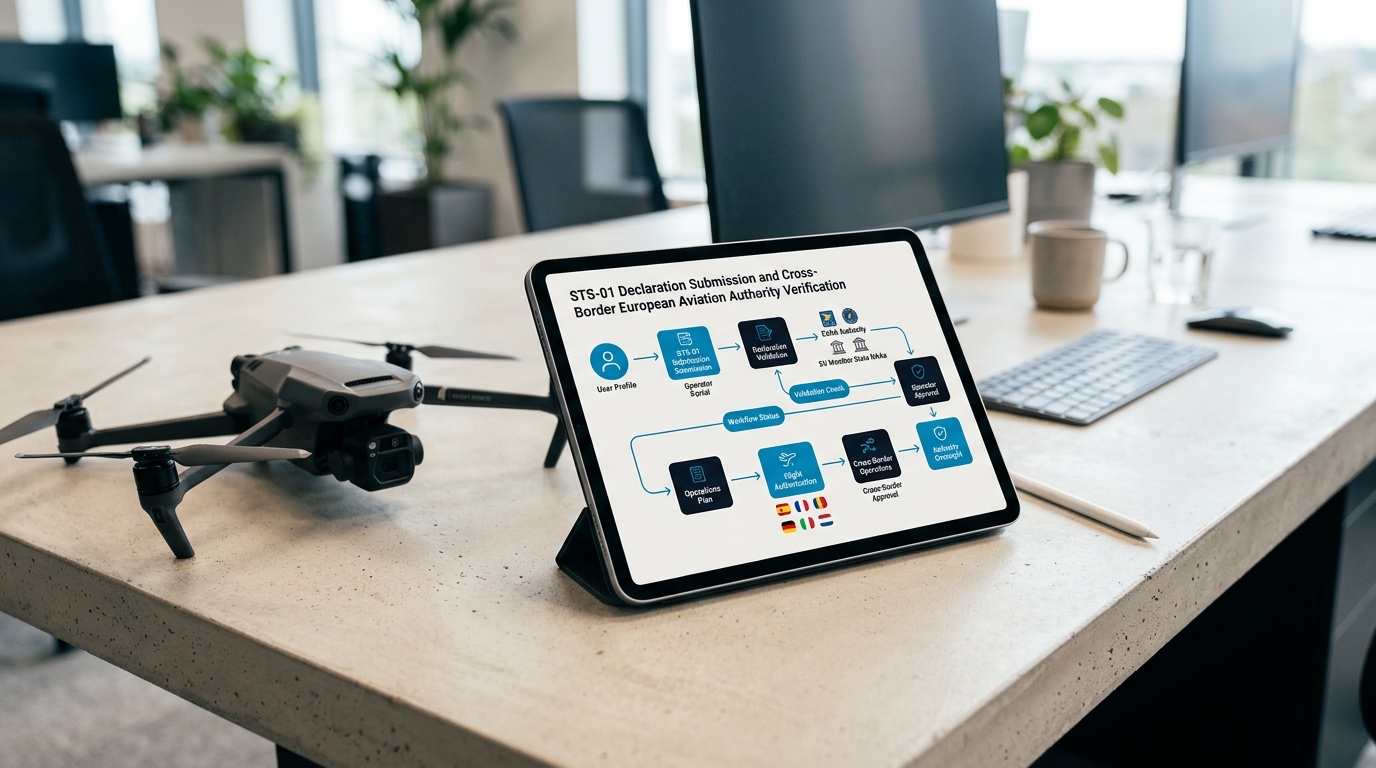
Class marks C5 and C6: the purchase decision that sets your approval path
C5 and C6 are properties of the aircraft, bought with it. They decide whether an operation runs on a declaration to the authority or needs an individual authorisation. What the two classes require, what the declaration route saves, and where it stops.
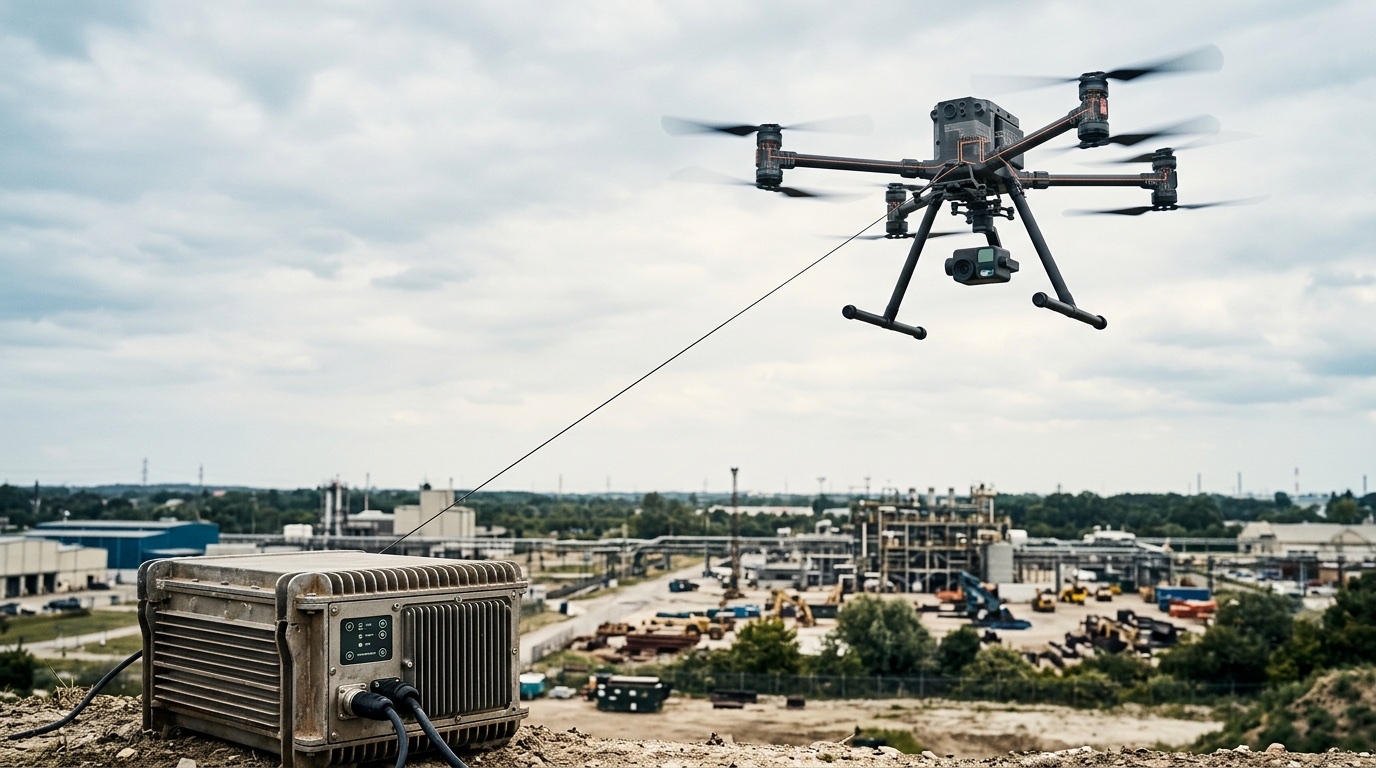
Tethered Drones: The Permanent Aerial Standpoint Over One Fixed Site
The tether removes the endurance limit and the battery-swap cycle, and it changes the risk argument. It does not remove the authorisation. What an operator gains, what they must additionally justify, and where the limits sit.
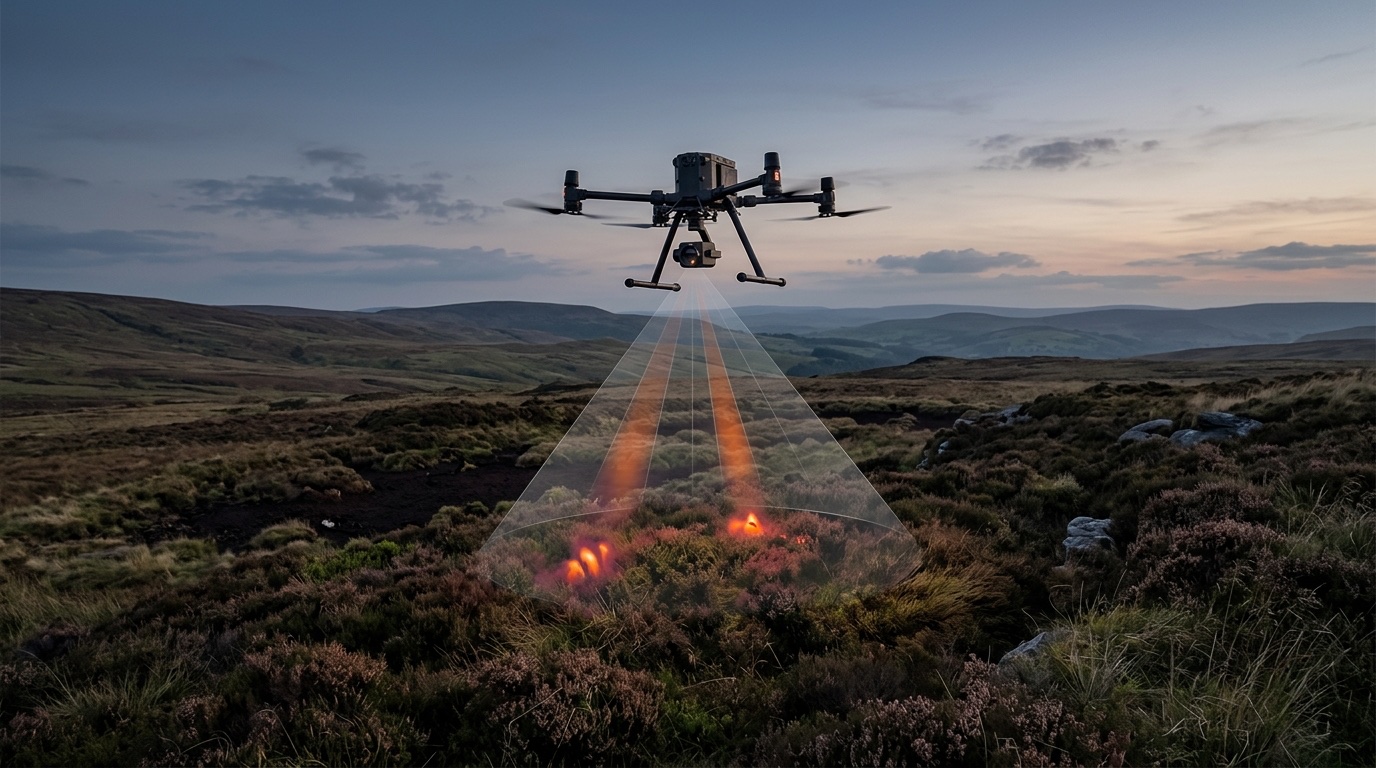
Aerial Search for Missing Persons: What Thermal and Search Patterns Deliver
The drone finds nobody. It produces a lead that somebody on the ground has to check. What thermal imaging physically delivers, where it fails, and who holds the operating authorisation when volunteers fly.
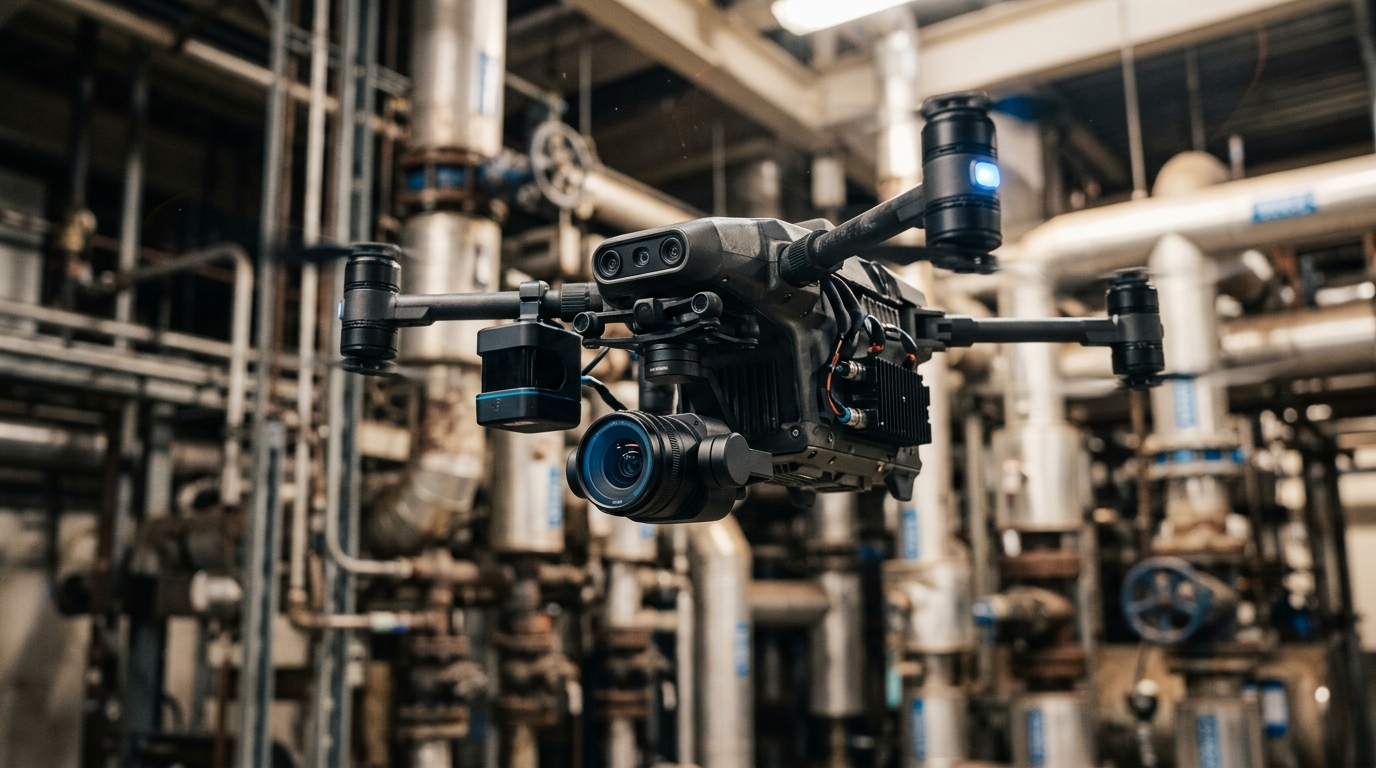
Onboard Drone Autonomy: What Changes for Operators
The question is not whether the aircraft can fly itself. It is what you have to be able to show once it does — indoors, on containment, on link loss, and in procurement.
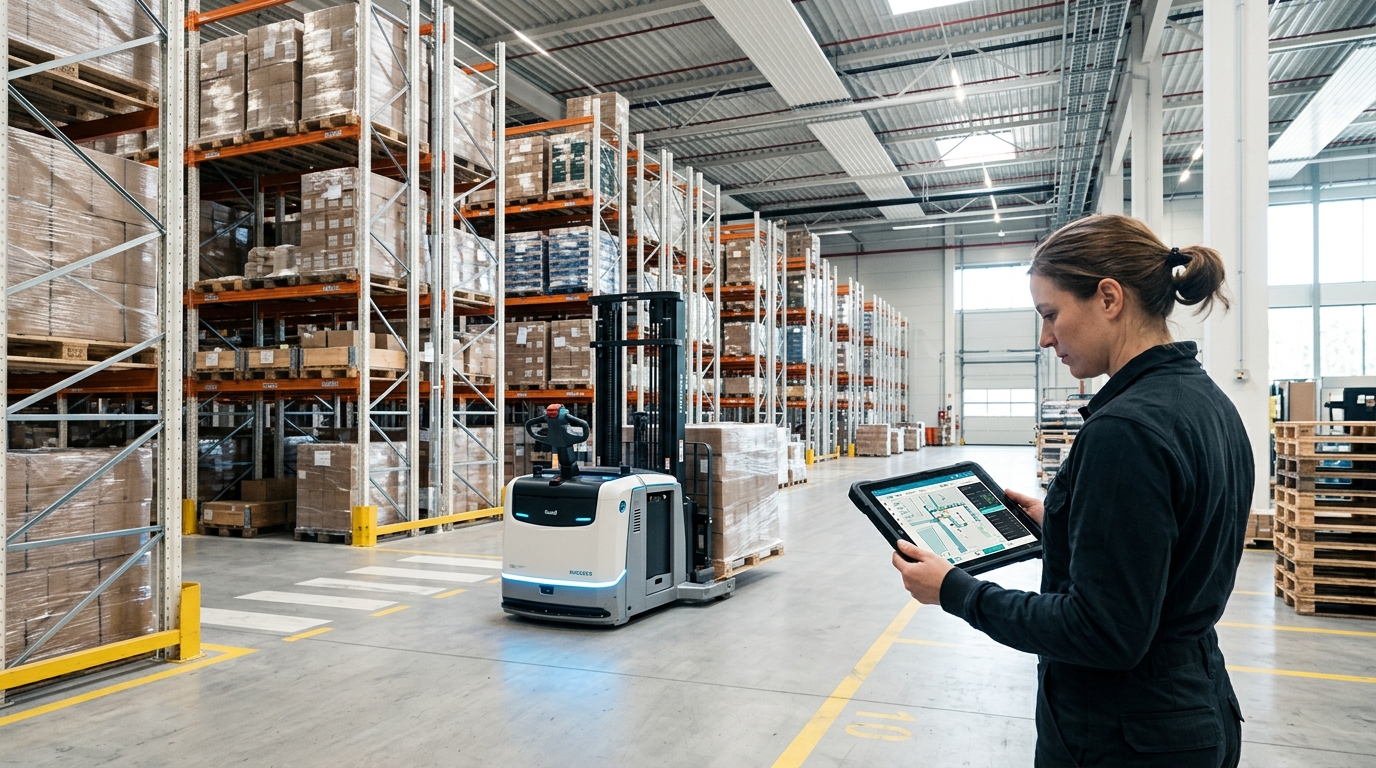
Learned Robot Policies: Acceptance and the Safety Case
You can accept a deterministic AMR route by route. You cannot do that with a learned policy. What therefore belongs in the specification, the acceptance protocol and the contract.