werob
Magazine
Latest insights from the world of robotics.

Security Robot: Deploying Autonomous Patrols in Eight Weeks
Autonomous security robots are no longer experimental. By integrating hardware-agnostic platforms with existing VMS like Genetec, operators are achieving annual cost offsets of 68,000 Euro per site while ensuring compliance with the EU Machinery Regulation 2023/1230.

Security Guard Robot Replacement: ROI and Compliance Guide
Autonomous security is no longer a pilot phase technology. For logistics and industrial operators, the transition to robotic patrol is a response to labor scarcity and the mandatory EU Machinery Regulation 2023/1230.
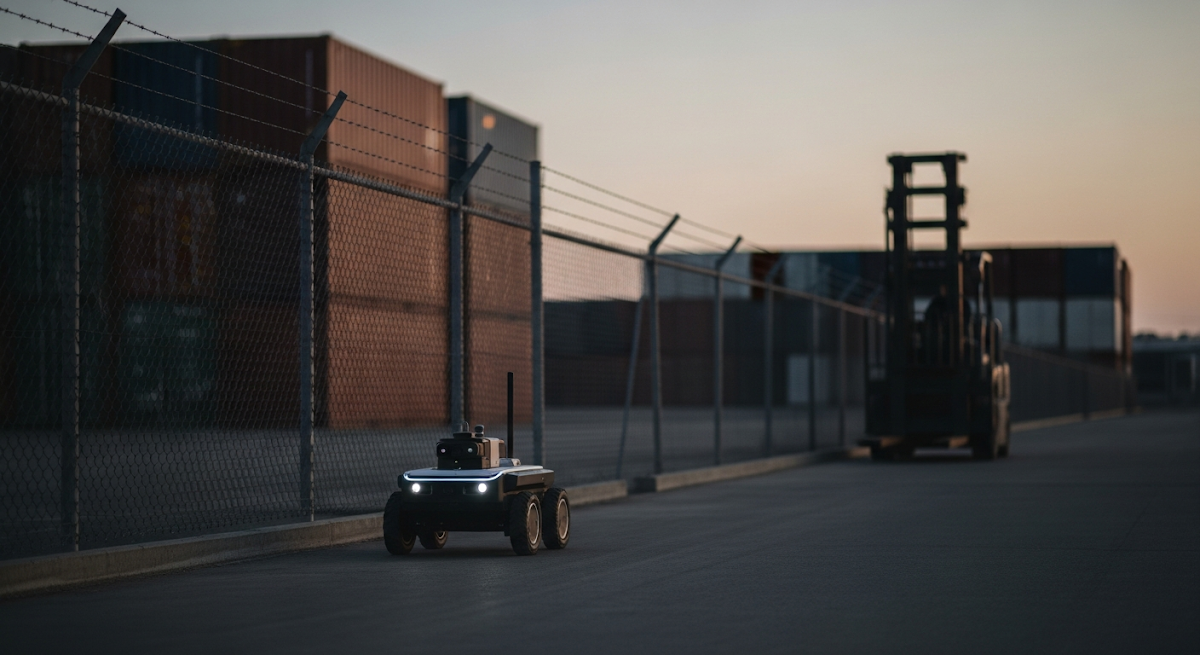
Patrol Robot Integration: Scaling Security Operations with werob
Security operations face a dual crisis of labor shortages and rising regulatory complexity. werob provides the systems integration layer to deploy patrol robots within eight weeks, connecting directly to Genetec and SAP EWM.

Guard Robot Deployment: Operational Guide for Security Leaders
Moving from manual perimeter checks to autonomous security fleets requires more than just hardware. It demands a systems integration approach that aligns with BewachVO and EU Machinery Regulation 2023/1230.
Boston Dynamics Spot Security: Integration and ROI Guide
Deploying Boston Dynamics Spot for security requires more than just hardware. This guide explores how integrating Spot into existing security stacks yields a €68,000 annual cost offset while ensuring compliance with upcoming EU regulations.
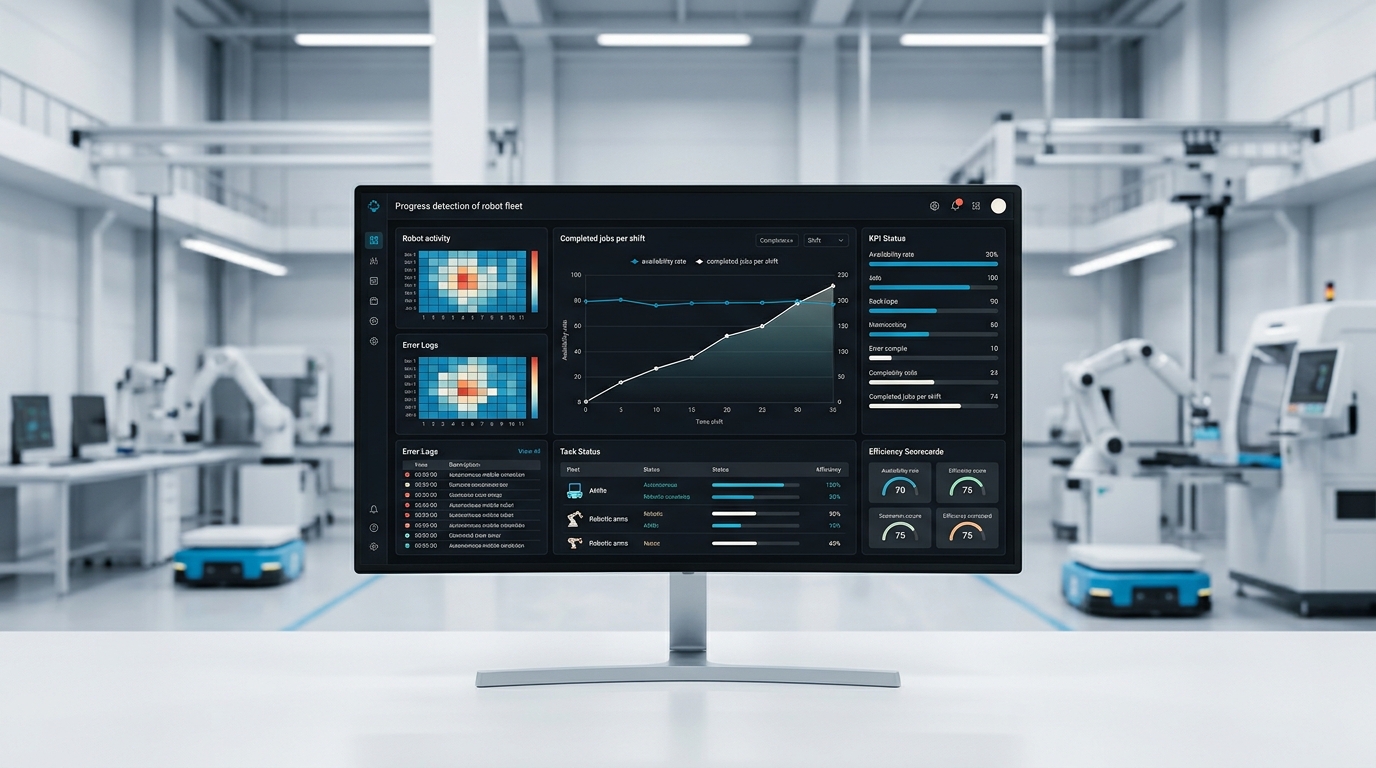
Progress detection as an operating metric: from robot availability to completed jobs
The quietest capability in the ER 2 release is the ability to tell whether a task actually finished. That changes which number belongs on the operations dashboard, and it is not uptime.
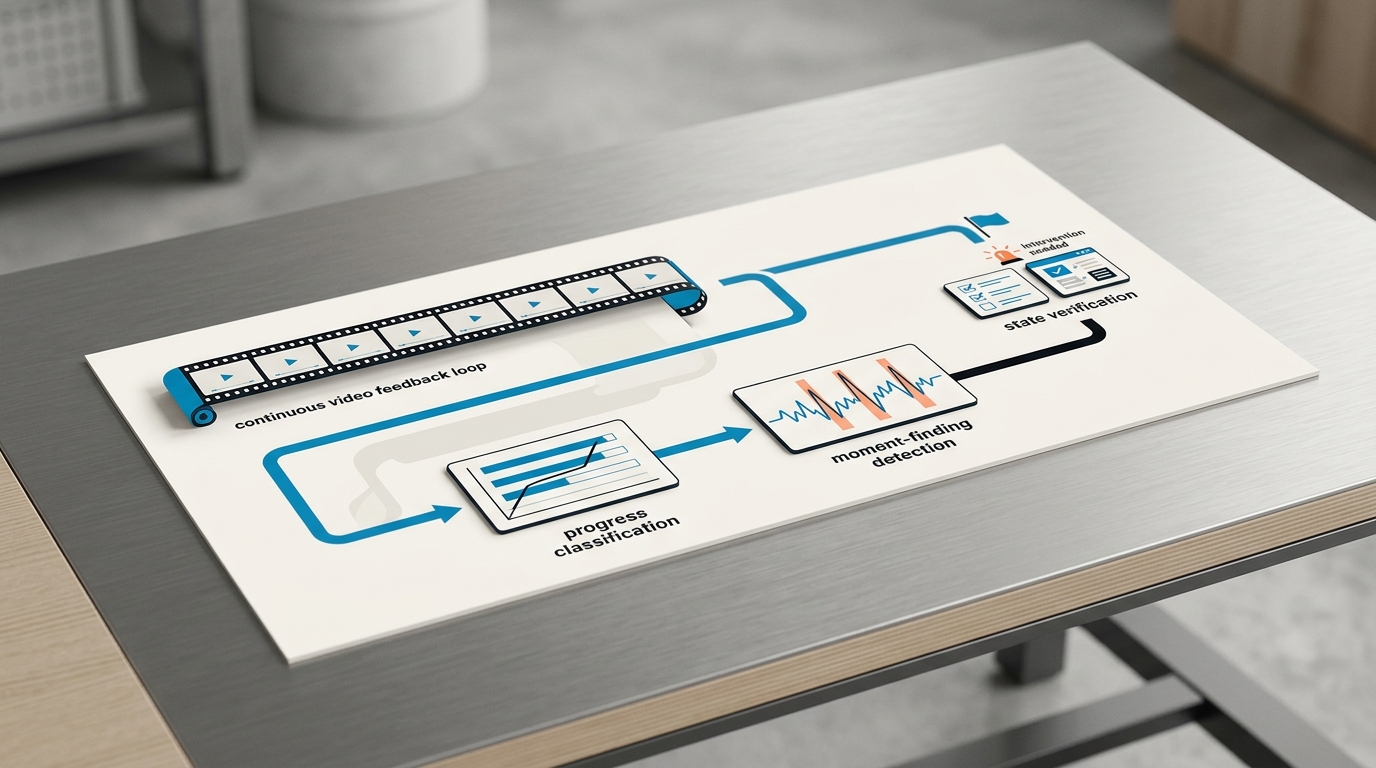
Reading robot success rates honestly: what 45.7 percent floor pickup means for a shift plan
Google published per-task success rates alongside its new models. They are strong research results and they are not shift ready for every task. Telling those apart is a numeracy problem, not a robotics problem.
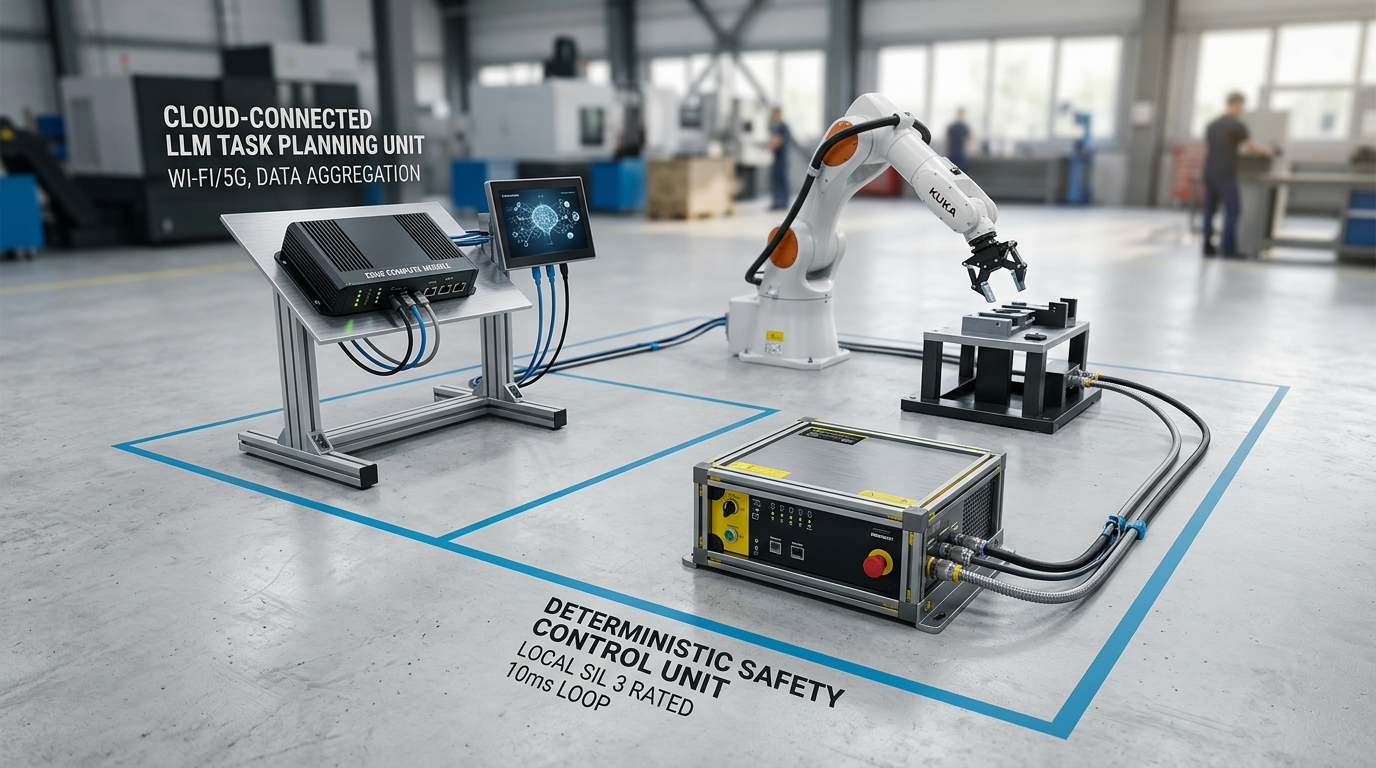
The Gemini Robotics ER 2 model card prohibits safety-critical use
While the coverage celebrates robots collaborating, the model card for the same model tells you not to deploy it where a malfunction could injure someone. Both statements are true, and the gap between them is where operators live.
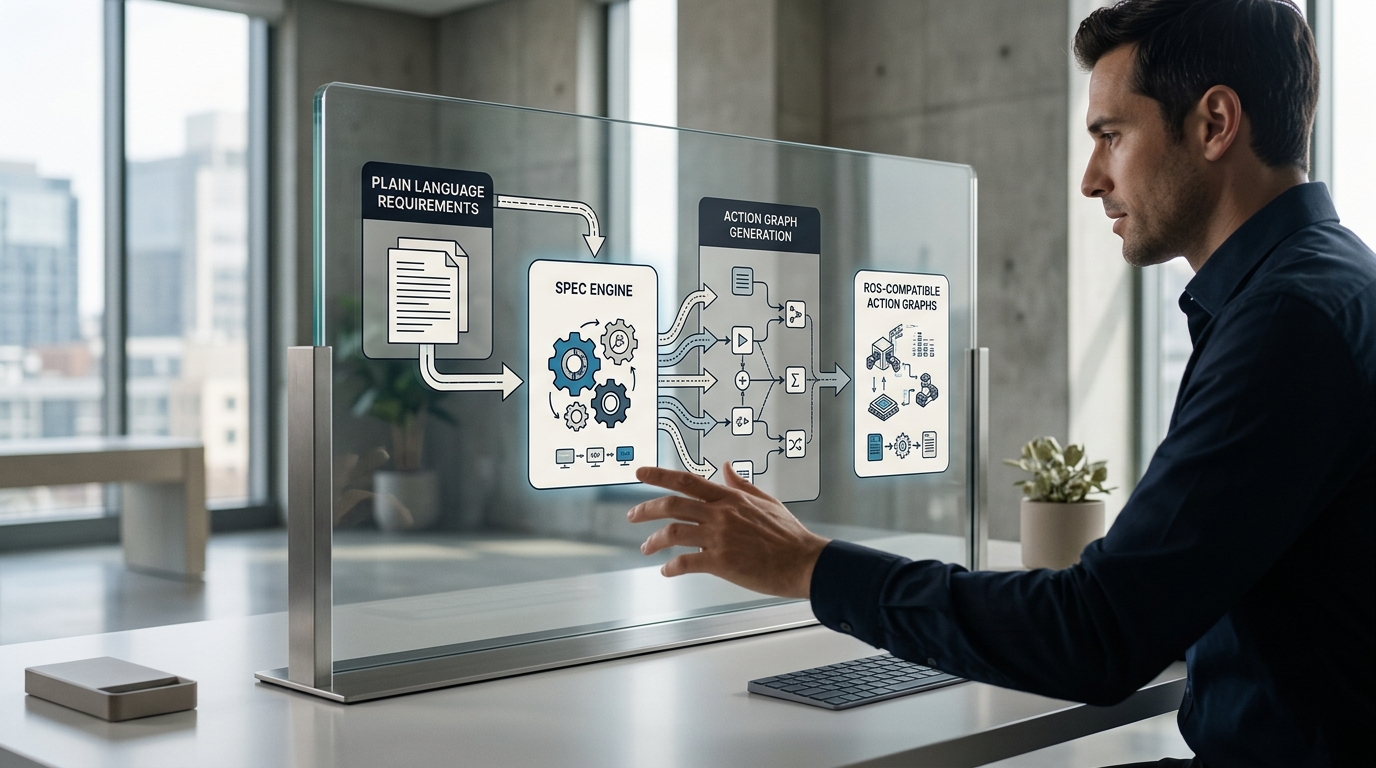
Gemini Robotics ER 2: what multi-robot orchestration really means for a mixed fleet
Google demonstrated a humanoid and a wheeled robot dividing a task between them. For an operator already running two vendors in one building, the interesting part is not the demo but the architecture behind it.
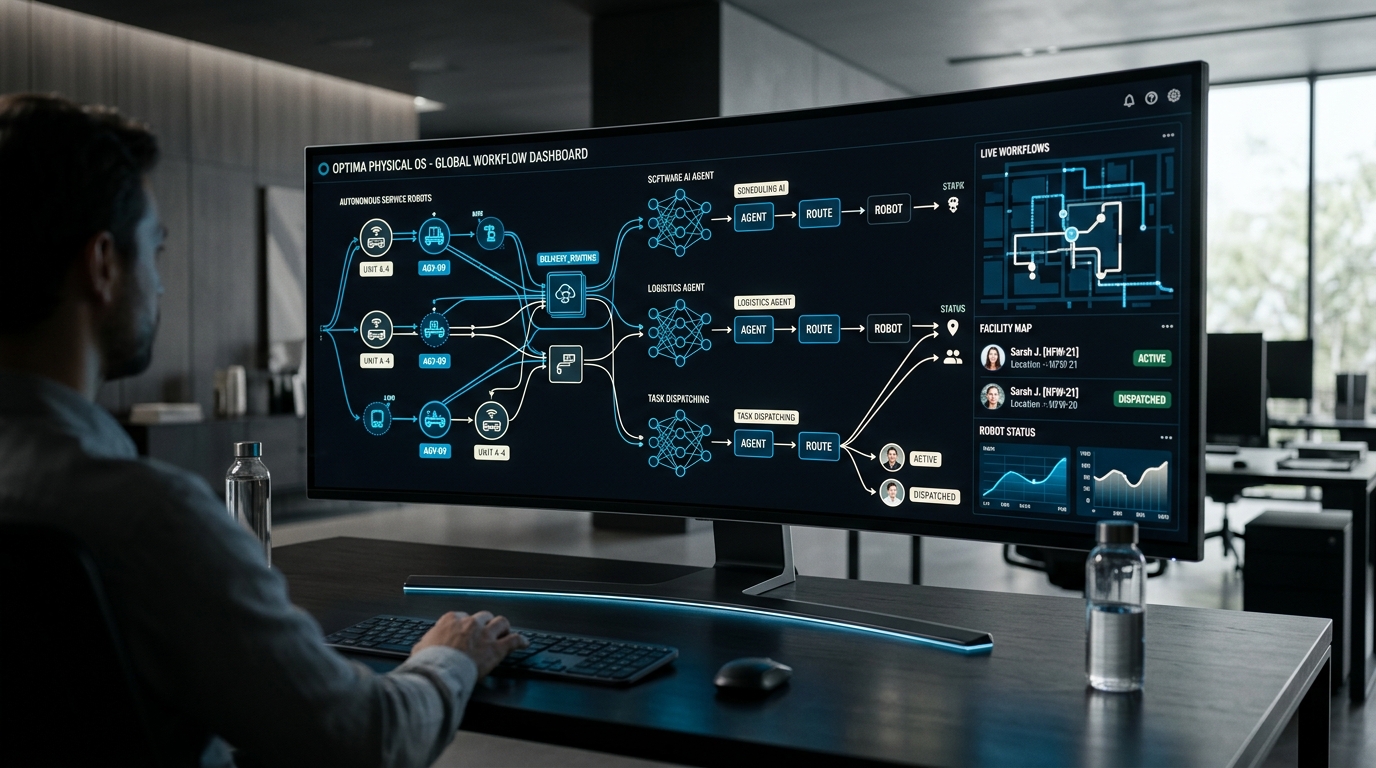
The operating system for physical work: routing one job across agent, robot and person
Field software models one kind of worker: a person with a van and a time slot. Three now share the same job list. What changes in dispatch, safety and measurement when the cheapest qualified resource is a machine.
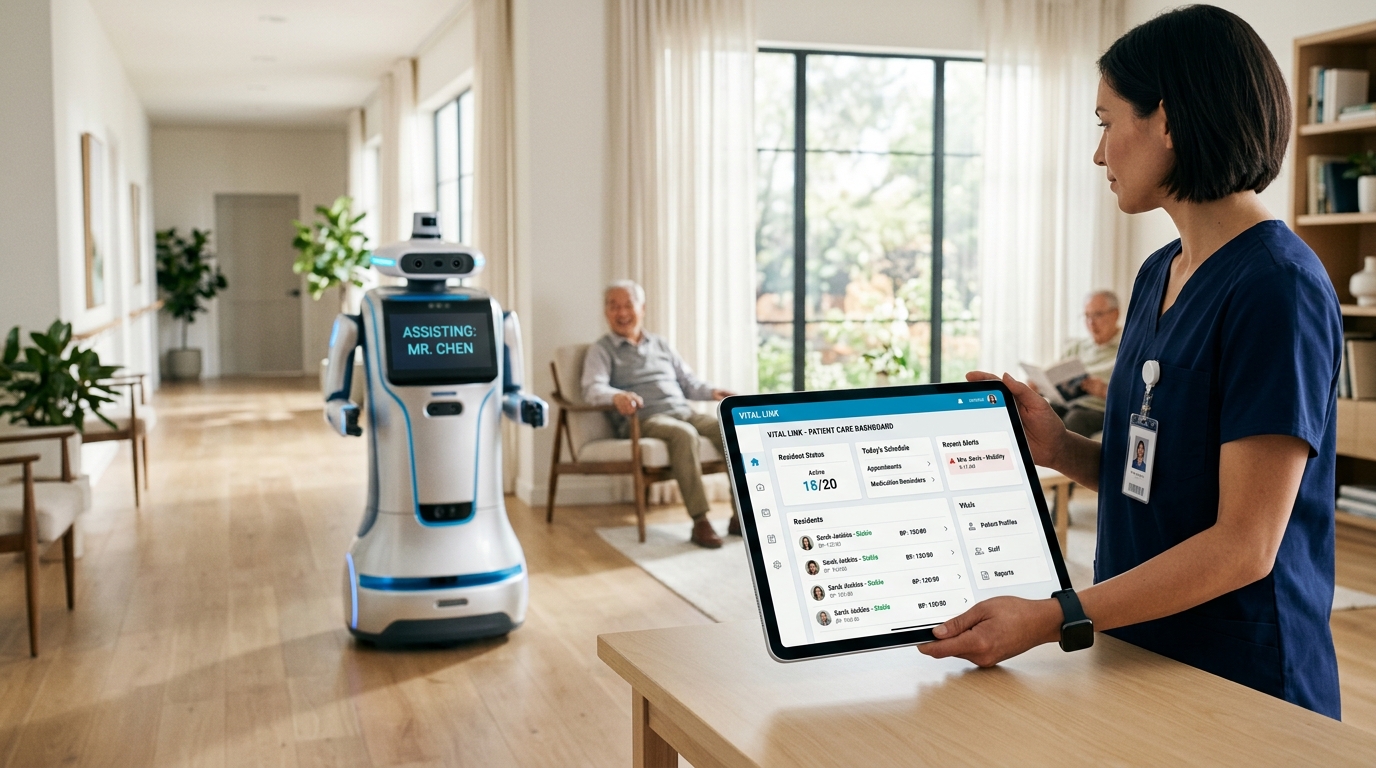
Robotics for ageing at home: what actually works in 2026
Germany cares for 4.9 million people at home. The IFR counted 536 robots sold worldwide for care at home in 2024. An honest look at where robotics pays off around the ageing population, and where it does not.

QSR kitchen robotics: which tasks pay off and which do not
A sober framework for QSR and mid-market operators: which kitchen tasks are worth automating, which are not, and why a narrow robot loses its case the moment the task stops being narrow.

Robots at the hot station: what cooking automation in QSR delivers today
How robotic fry stations address turnover and worker safety at the QSR hot line, why they stay narrow and task-specific, and where the honest limits are.

Drones in surface mining: stockpile survey, blast monitoring and settling basins
What drone surveying actually delivers in quarries and open pits: stockpile volumes, highwall mapping, blast monitoring and settling basins, and where the responsibility of the mine surveyor begins.

Offshore drone inspection: wind farms, platforms and the limits of flying over water
What drone inspection actually delivers offshore: the German wind stock in numbers, the regulatory frame after SORA 2.5, and the operational limits of flying without a landing option.

Underground mining robotics: what autonomous vehicles and inspection robots do today
Where autonomous haulage is actually installed in Europe, why ATEX equipment group I decides the hardware list, what the documented German cases are, and what stays with the mine surveyor.
Subsea cables and pipelines: how condition monitoring actually works
Burial depth is not fixed by a single legal metre value, and permanent fibre sensing does not replace a survey. What operators actually measure on cables and pipelines, and why the interval is now a compliance question.
Robotic hull cleaning: biofouling, fuel and the rules in port
What growth on the hull really does to fuel consumption, what the IMO framework actually requires, where in-water cleaning is permitted, and what separates a system with capture from one without.

Subsea robotics: what ROV and AUV inspection delivers today
German offshore wind sits in 31 m of water on average. That single figure decides which underwater vehicle, which vessel and which approval an inspection campaign really needs.
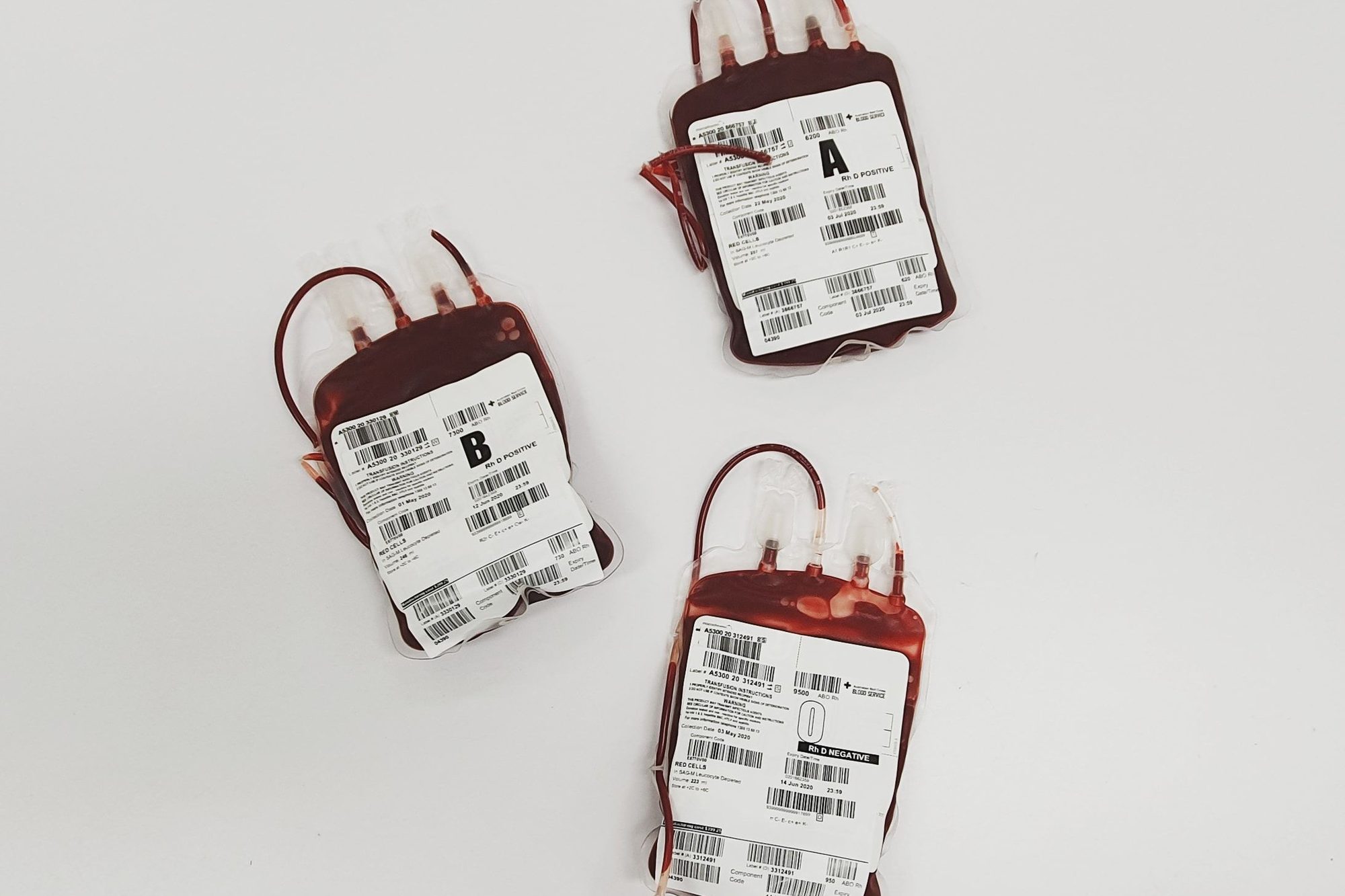
Blood, samples and organs by drone: what actually flies in Europe today
A sober status report on medical drone logistics in Europe: which routes are in routine operation, which projects have ended, and what hospitals need to check before they plan a route of their own.

BVLOS approval for medical drones in Germany: SORA, LUC and the path to routine operation
What it actually takes to get a clinic drone route approved in Germany: the specific category under Regulation (EU) 2019/947, the binding SORA 2.5 methodology, SAIL levels, the LUC pathway and the two bottlenecks operators underestimate.
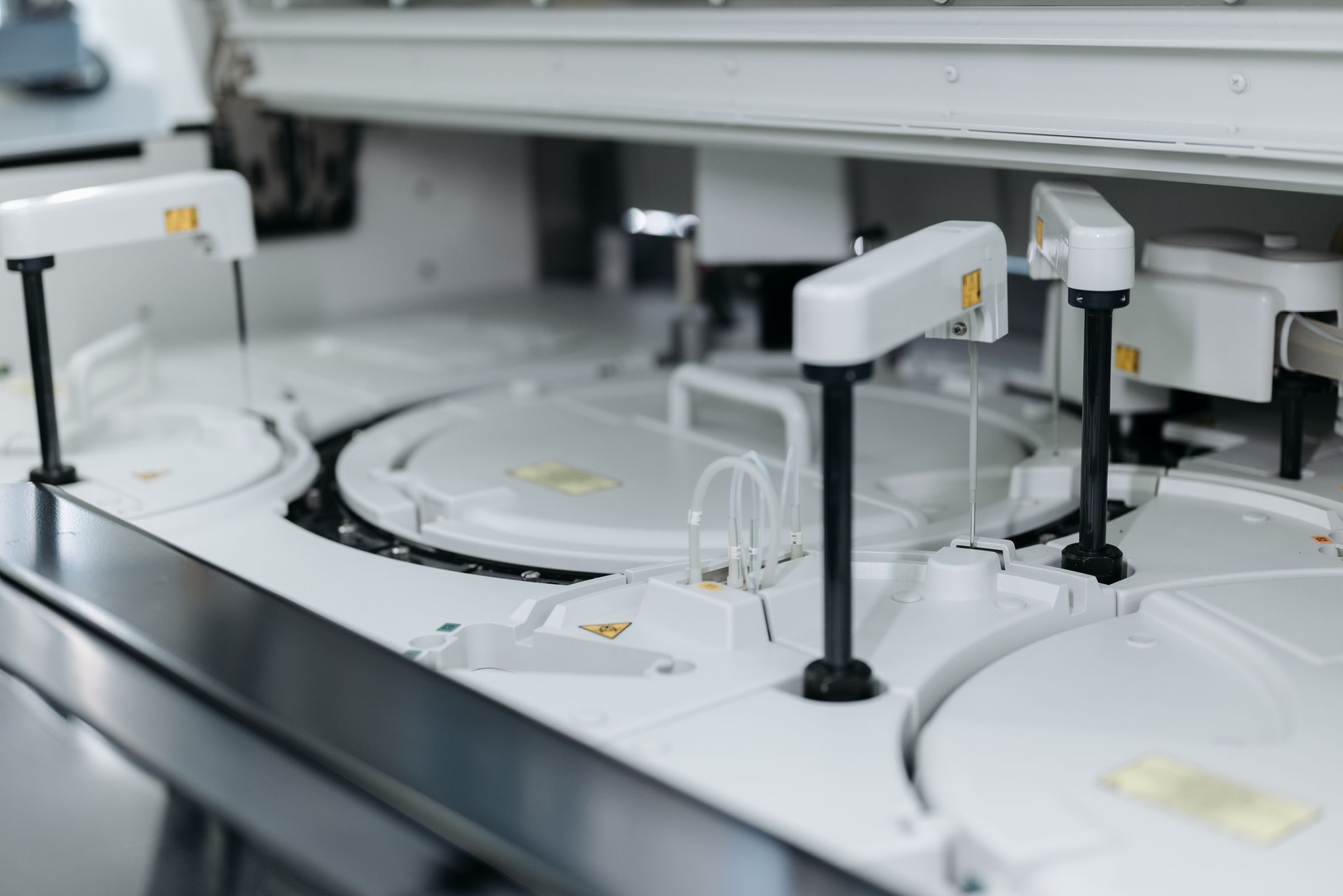
Medical drone logistics: cutting laboratory transport from hours to minutes
How medical drone logistics replaces batched courier loops on short clinic-to-laboratory routes, what German operations already prove, and where the regulatory and pre-analytical limits sit.

Hospital transport robots: how autonomous intralogistics relieves clinical staff
What autonomous transport robots do in a hospital, which platforms are genuinely available, and why lift, fire door and WLAN integration decides the project.

UV-C robots in the clinic: what disinfection robotics can and cannot do
UV-C disinfection robots are marketed with strong numbers. The physics is narrow, the clinical evidence is thin, and KRINKO keeps manual wipe disinfection mandatory. A sober look for hospital operators.